As developers, we are moving from writing every line of code ourselves to orchestrating AI agents that can generate, refactor, and debug code alongside us. But this shift comes with a massive new problem: context management.

An AI model is only as good as the context you give it. If it doesn’t know about your project’s history, your current dependencies, or the logic you’ve already established in another file, its output becomes useless or, worse, destructive.

This is why I built the AI Dev Workflow CLI.

Context is King

The core of a good AI-assisted workflow isn’t just the model; it’s the continuity.

When you’re building a complex system, you need an AI that can “remember” what was decided in a previous turn, even if that turn was hours or days ago. The CLI I’ve designed focuses on making this context management seamless. It treats your project as a living repository of intent, ensuring that when you ask for a fix, the model has the full picture.

Human-in-the-Loop

The second pillar of this workflow is human verification.

I don’t believe in “autonomous” AI that works in a black box. The AI Dev Workflow CLI is designed around a human-in-the-loop pattern. The AI proposes, but the developer validates. This keeps the developer as the high-level architect while delegating the repetitive, lower-level implementation details to the machine.

Evolving Tools

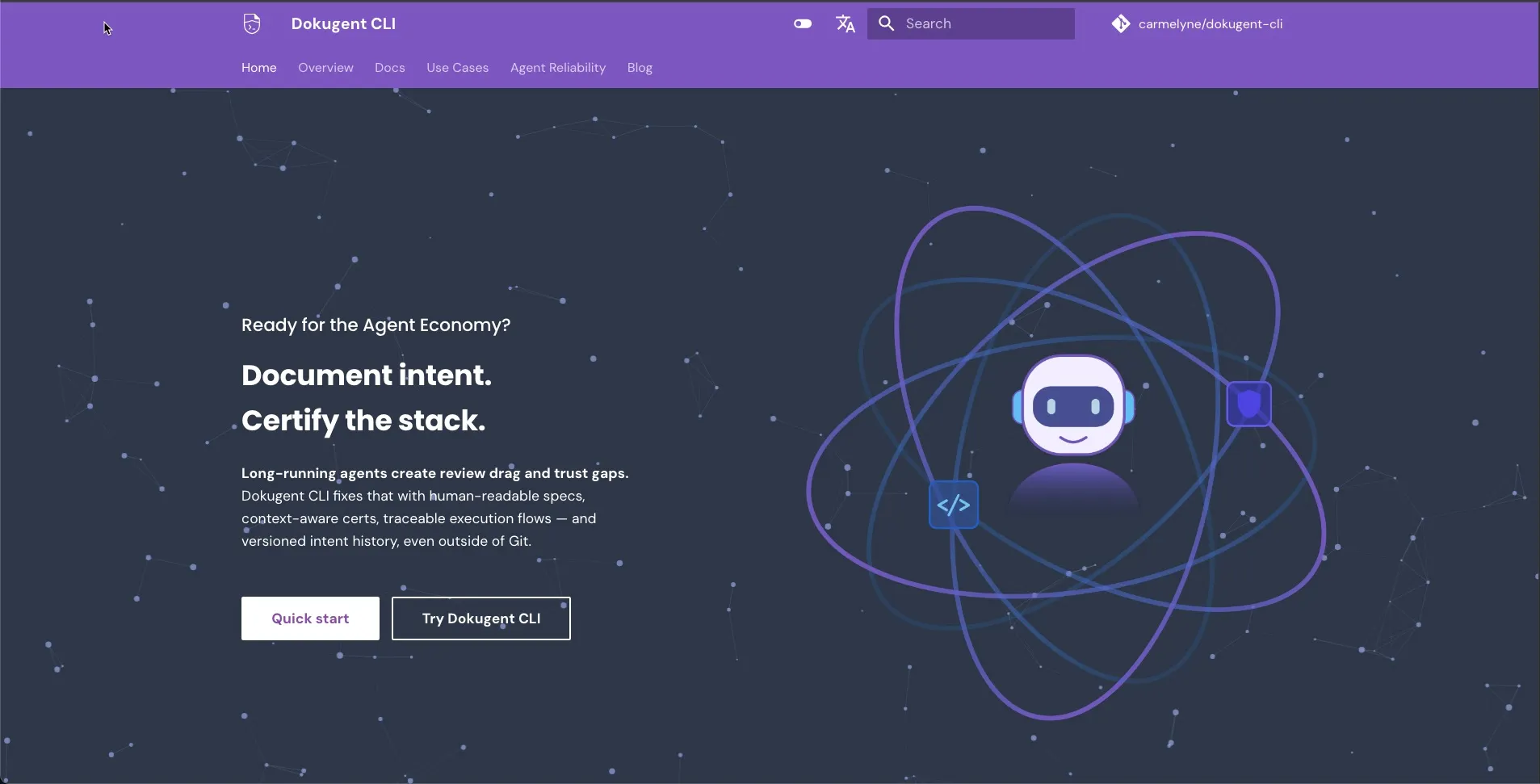
This project is a precursor to several of my other AI tools, including my Codex CLI Wrapper, which adds logging and defaults to help maintain that all-important dev history.

By building our own tools, we can ensure that we aren’t just consumers of AI, but architects of our own intelligent development environments.

System Update: Thinking Modes

Explore the Framework

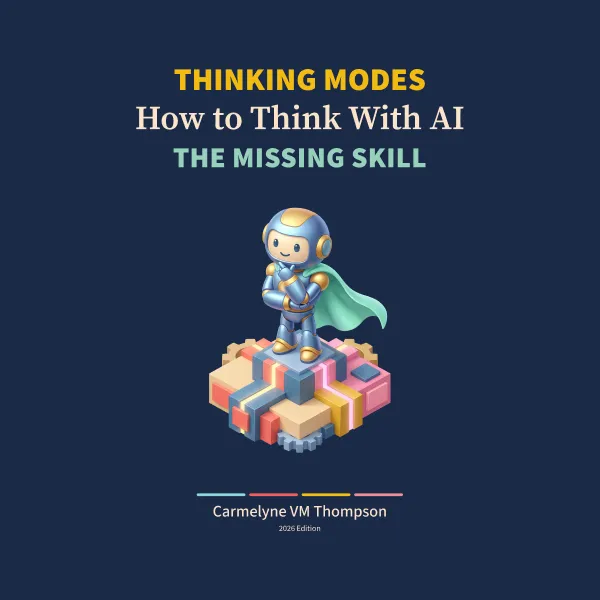
These concepts are part of a broader framework for building intent-aware AI systems. I've distilled these strategies into a short, practical guide called Thinking Modes.

View the Book →